KNOWLEDGE CENTRE

Your trusted destination for industrial knowledge, technical documentation, product guides, engineering resources, and expert insights.

Explore Resources Categories

Valve Buying Guide

Complete guides to help you choose the right valve.

Industrial Standards

Information on global standards and specifications.

Technical Documents

Datasheets, specifications and technical papers.

Product Catalogues

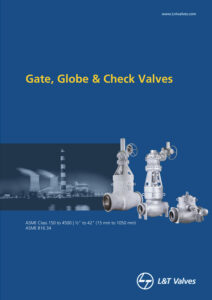
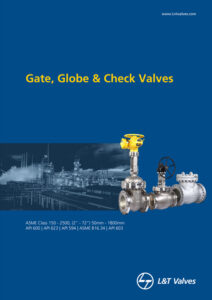
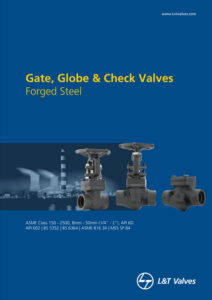
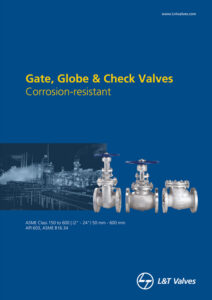
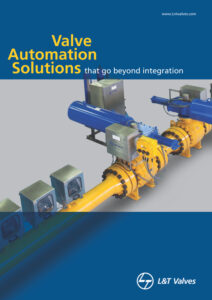
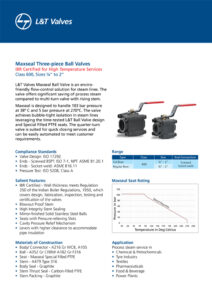
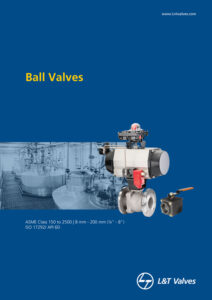
Download our product catalogues and brochures.

Installation Guide

Step-by-step installation instructions and best practices.

Maintenance Guide

Maintenance tips and procedures for longer valve life.

Case Studies

Real-world applications and success stories.

Industry Applications

Solutions for different industries and processes.

Product Comparison

Compare features and find the right product

Downloads (PDF)

Easily download brochures, guides and useful documents.

Frequently Asked Questions

Real-world applications and success stories.

Glossary

Key terms and definitions simplified.

Frequently Asked Questions

The right valve depends on factors such as fluid type, pressure, temperature, flow rate, and application. Our technical team can help you select the most suitable valve for your operational requirements.

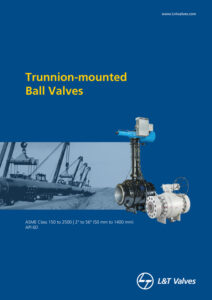
Ball valves are designed for quick shut-off and tight sealing, while gate valves are ideal for full-flow applications where the valve remains either fully open or fully closed.

L&T Industrial Valves are widely used across Oil & Gas, Power Generation, Petrochemicals, Water & Wastewater Treatment, Defence, Chemical Processing, Pharmaceuticals, Food & Beverage, and various Process Industries.

L&T Industrial Valves are widely used across Oil & Gas, Power Generation, Petrochemicals, Water & Wastewater Treatment, Defence, Chemical Processing, Pharmaceuticals, Food & Beverage, and various Process Industries.

Pressure ratings indicate the maximum pressure a valve can safely withstand at a specific temperature. Common standards include ANSI Class 150, 300, 600, and higher pressure classes.

Inspection intervals depend on the application and operating conditions. Critical systems should follow a preventive maintenance schedule with periodic inspections to ensure safety and reliability.